
Flu Patch Vaccine
Flu Vaccine Patch Information
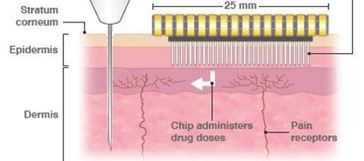
It is very important to get a flu vaccine every year. Some people choose not to get a flu shot because they do not like needles. A new alternative to the flu shot could be on it's way soon. Researchers are currently working on a transdermal flu patch that could help immunize citizens without having to get a needle. Skin patches containing microneedles have proven as effective as traditional hypodermic needles in delivering vaccine and preventing influenza in mice and initial human test subjects.
"These flu patches are more convenient, less painful, and less expensive than regular needles, and researchers from Emory and Georgia Tech believe they will increase vaccination coverage as a result."
Their research is published in the April 2009 issue of the Proceedings of the National Academy of Sciences and the Public Library of Science One (March 10, 2009). In 2014, studies have now moved onto to Phase I of clinical trials. It may not be long before you can receive a flu vaccine patch instead of a flu shot to help protect yourself from influenza disease. This recent innovation could hold true for other vaccines as well in the future.
"These flu patches are more convenient, less painful, and less expensive than regular needles, and researchers from Emory and Georgia Tech believe they will increase vaccination coverage as a result."
Their research is published in the April 2009 issue of the Proceedings of the National Academy of Sciences and the Public Library of Science One (March 10, 2009). In 2014, studies have now moved onto to Phase I of clinical trials. It may not be long before you can receive a flu vaccine patch instead of a flu shot to help protect yourself from influenza disease. This recent innovation could hold true for other vaccines as well in the future.
How Flu Patches Work
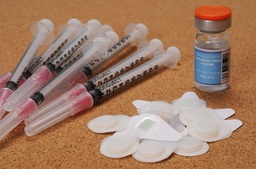
The vaccine patches contain tiny stainless steel microneedles that are covered with the inactivated flu virus and pressed into the skin, where the vaccine dissolves after a few minutes. Research has shown that many of the test subjects in clinical trials could easily self administer the vaccination patches and that this method of administration can greatly reduce vaccine administration errors. The studies also found a large increase in the number of test subjects willing to get a flu vaccine annually, the percentages increased from 46% to 65% and some market research noted even higher increases.
"A transdermal vaccine patch will have a tremendous impact on preventative diseases and the cost associated with both influenza disease and the entire vaccination process."
- Paula Frew, Assistant Professor at Emory University School of Medicine
"A transdermal vaccine patch will have a tremendous impact on preventative diseases and the cost associated with both influenza disease and the entire vaccination process."
- Paula Frew, Assistant Professor at Emory University School of Medicine
Flu Vaccine Recommendations
Everyone 6 months and older are recommended to get the flu vaccine every season.
The flu is a common illness. Every year in the United States, on average
The flu is a common illness. Every year in the United States, on average
- 5%-20% of the population gets the flu.
- more than 200,000 people are hospitalized from flu complications.
- roughly 36,000 people die from the flu or its complications.
After clean water and sanitation, vaccines are the next greatest innovation to prolong human life.
Seasonal influenza vaccines generally protect against three or four different strains of influenza each year. The antigens of each influenza strain tend to mutate each year and this is why the flu shot is recommended annually. The key in flu vaccination is not only getting a flu shot to protect yourself but also to protect those around you. The more people that get vaccinated with a flu vaccine, the less likely an abundance of influenza cases will spread throughout that area, this process is known as herd immunity. Generally, influenza disease will peak in December through March. The ideal time to get your flu vaccination is September through January. The CDC recommends everyone 6 months and older should receive a flu vaccine every year. The groups at highest risk for influenza disease are:
- pregnant women
- children younger than 5
- individuals 50 years of age and older
- individuals with chronic medical conditions
- health care workers
Flu vaccine patches do not contain live diseases. This vaccine as well as many others are attenuated or killed viruses. You cannot get influenza disease from the flu patch vaccination. You can get minor immune responses such as headache, sore arm or fever. It is a large myth that you can get the flu from a flu vaccination or a flu vaccine patch.
If you do not know where to go to get a flu vaccine you can use HealthMap.org or sign up for email list above. The flu vaccine clinic locater is a fairly new technology that has been brought about as a public service by Google and HealthMap.org. Flu vaccine clinics register their information through the website. All the clinics are then registered into HealthMap.org's mapping system to provide convenient locations for any individual needing a flu vaccination. You can use the link above to find a flu clinic near you or to register your flu clinic with HealthMap.org.
- pregnant women
- children younger than 5
- individuals 50 years of age and older
- individuals with chronic medical conditions
- health care workers
Flu vaccine patches do not contain live diseases. This vaccine as well as many others are attenuated or killed viruses. You cannot get influenza disease from the flu patch vaccination. You can get minor immune responses such as headache, sore arm or fever. It is a large myth that you can get the flu from a flu vaccination or a flu vaccine patch.
If you do not know where to go to get a flu vaccine you can use HealthMap.org or sign up for email list above. The flu vaccine clinic locater is a fairly new technology that has been brought about as a public service by Google and HealthMap.org. Flu vaccine clinics register their information through the website. All the clinics are then registered into HealthMap.org's mapping system to provide convenient locations for any individual needing a flu vaccination. You can use the link above to find a flu clinic near you or to register your flu clinic with HealthMap.org.
